October 09, 2005
“The Future of Food” – A Documentary Film
A Scary Peek Behind The Scenes of Genetically Altered Food
By Fred H. Arm
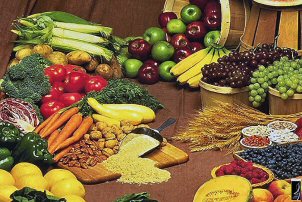
In relative silence, the new documentary “The Future of Food” exposes a revolution that is happening in the farm fields and on the dinner tables of America -- a revolution that is transforming the very nature of the food we eat. In this documentary produced and directed by Deborah Koons Garcia, we are offered an in-depth investigation into the disturbing truth behind the unlabeled, patented, genetically engineered foods that have quietly filled grocery store shelves over the past decade. This food revolution has gone on virtually silent with only a smattering of information exposed to the public view.
Although another food revolution that has swept the country in the form of the proliferation of farmer’s markets, organic produce and healthier choice in restaurants, this other silent revolution on a grander scale threatens to change the what we eat whether we like it or not. Over the past ten years, with the advent of genetic engineering and the massive expansion of pesticide companies like Monsanto into the seed business, the very nature of our food system has radically changed with potentially disastrous effects on our food security.
Patenting of life is now permitted, no labeling of genetically modified organisms (GMO’s) in food is required, research is conducted on these issues by universities beholden to the “agri-corp” who fund them, and the major regulatory agencies are run by former executives from these companies. The average American remains blissfully ignorant that they are eating GMO food and supporting the aggressive “corporatization” of their food sources.
In fascinating and accessible terms, this film illuminates the major issues that ultimately affect all of us—some surreal, some futuristic, and many really frightening. Yet, this picture offers some hope by exposing the industry through insightful and moving interviews with farmers, agriculture, policy makers, and business experts. The film envisions an informed consumer demanding natural and healthy foods sources that insure environmental integrity without fear of eating what is on our plates.
From the prairies of Saskatchewan, Canada to the fields of Oaxaca, Mexico, this film gives a voice to farmers whose lives and livelihoods have been negatively impacted by this new technology. The health implications, government policies, and push towards globalization are all part of the reason why many people are alarmed by the introduction of genetically altered crops into our food supply. Many viewers will be outraged by the mercenary treatment of farmers by the giant seed producers like Monsanto. The film explores the extraordinary injustices perpetrated daily upon the little farmers through sympathetic courts who usually favor the “big boys” over the farmers.
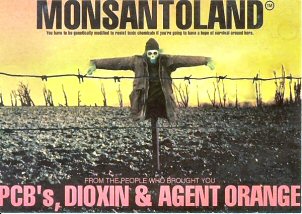
Shot on location in the U.S., Canada, and Mexico, “The Future Of Food” examines the complex web of market and political forces that are changing what we eat as huge multinational corporations seek to control the world's food system. The film additionally explores alternatives to large-scale industrial agriculture, supporting organic and sustainable agriculture as another viable solution to the farm crisis of today.
An immensely important film well worth your time and involvement. To ignore the crisis presented by this film is to tolerate a potential impairment to your own health and perhaps invite a premature death.
“Howl Redux”
A Time For Remembrance or Rebirth of a Transformation
By Fred H. Arm
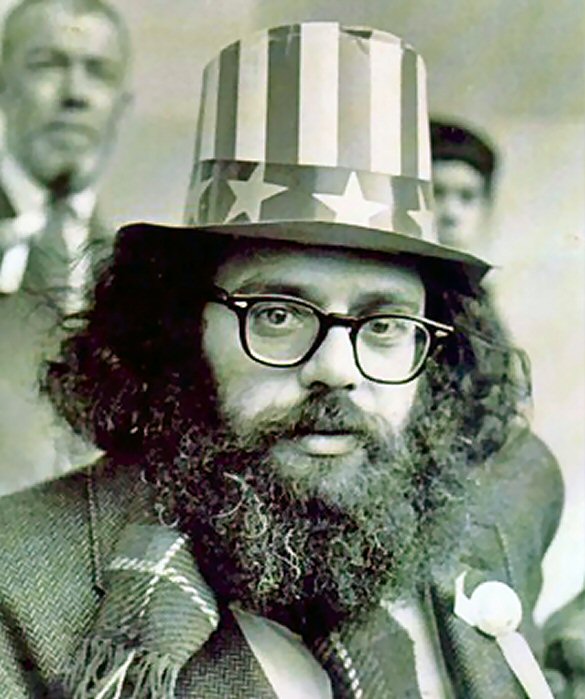
Last Friday night I had the fortune or some would say the misfortune of attending the “Howl Redux at the Herbst Theater across from the Civic Center of San Francisco. Litquake and City Lights presented a series of literature and poetry readings celebrating the birth of the beat generation some fifty years ago led by Allen Ginsberg, Jack Kerouac, Michael McClure and others. Even old non-beatnik authors like Mark Twain and Gertrude Stein were featured with excerpts from their writings. Michael McClure is the only survivor of the group and we had the privilege to listen to him personally read his stuff. Other luminary readers included Oakland’s mayor, Jerry Brown, actor Peter Coyote and an archival video of Allen himself bellowing his poem “Howl” in an angry, unintelligible, and hurried staccato.
Fifty years ago America was just recovering from World War II and had developed into a repressive and paranoid society led by the Communist Witch hunter, Joe McCarthy. It was not a pleasant time for the people. The extremely unpopular so-called “police action” in Korea had fanned the flames of suspicion, providing fertile grounds for the pursuit of Communists under everyone’s bed. People felt not only in danger from Communists, they also feared the wrath of the government through McCarthyism and the intolerance of their police agencies. It was the age of “blacklisted” actors, writers, and entertainers. There was a lot of frustration, fear, anger, and fomenting unrest. Such was the fertile ground for the likes and birth of poets like Allen Ginsberg.
It was in San Francisco where all this antagonistic, rebellious, and frustrated poetry was first unleashed, with Ginsberg as the patron saint. So once again, fifty years later, we were once again treated, or perhaps exposed would be a better word, to the outraged words that changed the nation and its institutions. Here is a sample from Ginsberg’s “Howl”
I saw the best minds of my generation destroyed by madness, starving hysterical naked,dragging themselves through the negro streets at dawn looking for an angry fix,
angelheaded hipsters burning for the ancient heavenly connection to the starry dynamo in the machinery of night,
who poverty and tatters and hollow-eyed and high sat up smoking in the supernatural darkness of cold-water flats floating across the tops of cities contemplating jazz,
who bared their brains to Heaven under the El and saw Mohammedan angels staggering on tenement roofs illuminated
who passed through universities with radiant cool eyes hallucinating Arkansas and Blake-light tragedy among the scholars of war,
who were expelled from the academies for crazy & publishing obscene odes on the windows of the skull,
who cowered in unshaven rooms in underwear, burning their money in wastebaskets and listening to the Terror through the wall,
who got busted in their pubic beards returning through Laredo with a belt of marijuana for New York.
It was quite an experience once again hearing the “Howls” of fury and frustrations of the “beat” poets who set the stage for the next decade of revolution ultimately transitioning into the hippie culture of the 60’s. The lengthy production was at times very upsetting and occasionally tedious. Yet, it struck a chord in harmonization with the angers and frustrations we are living today. The pendulum seems to have swung back in time where we have once again become more repressive, spawning a greater gap between rich and poor, more paranoid, and once more fighting an unpopular war. Perhaps the words and sentiments of Allen Ginsberg and his lot have yet again a resonant ear with the people of the Bay area.
See more on Ginsberg at: http://www.popsubculture.com/pop/bio_project/allen_ginsberg.html